Sep 14, 2026Company Updates
How to Choose a Ceramic Supplier for Your Homeware Brand
A practical guide to choosing a ceramic supplier that can connect design, sampling, quality standards, packaging and SKU planning for a coherent homeware collection.
The right ceramic supplier for a homeware brand should connect design, sampling, production standards, packaging and order planning in one workable process. A low quotation alone does not show whether a supplier can build a coherent collection or repeat the approved result. Buyers should evaluate how each development decision will affect the final range before confirming an order.
What Should Homeware Brands Evaluate First?
Can the Supplier Build a Complete Collection?
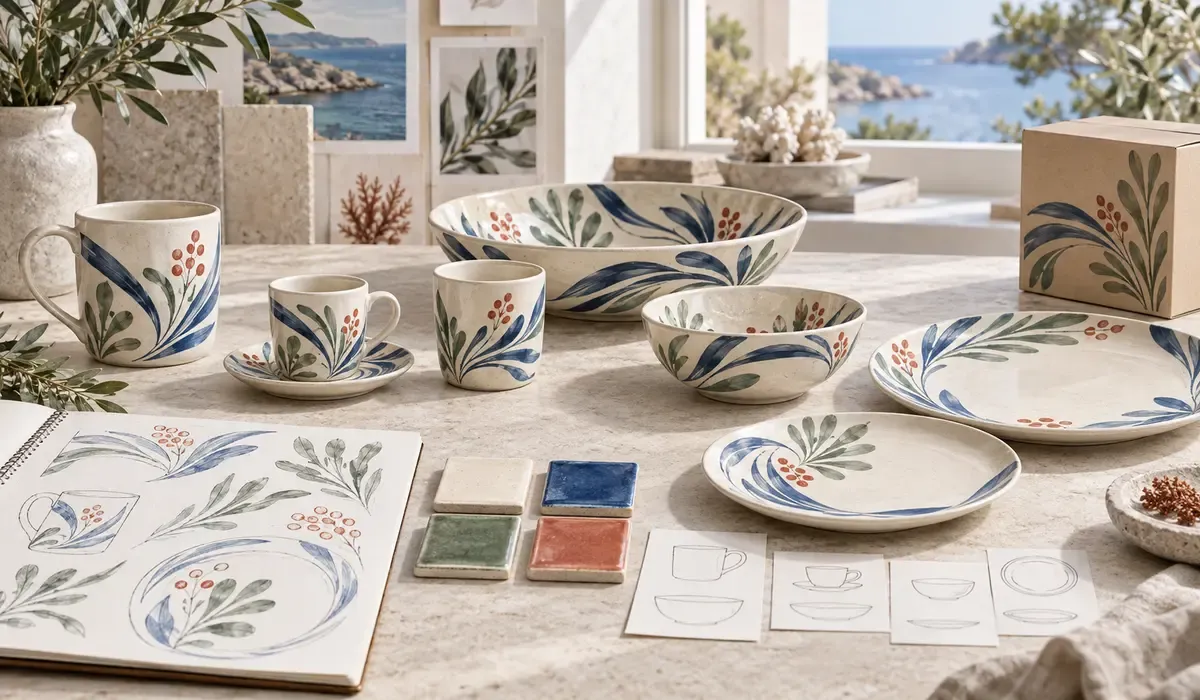
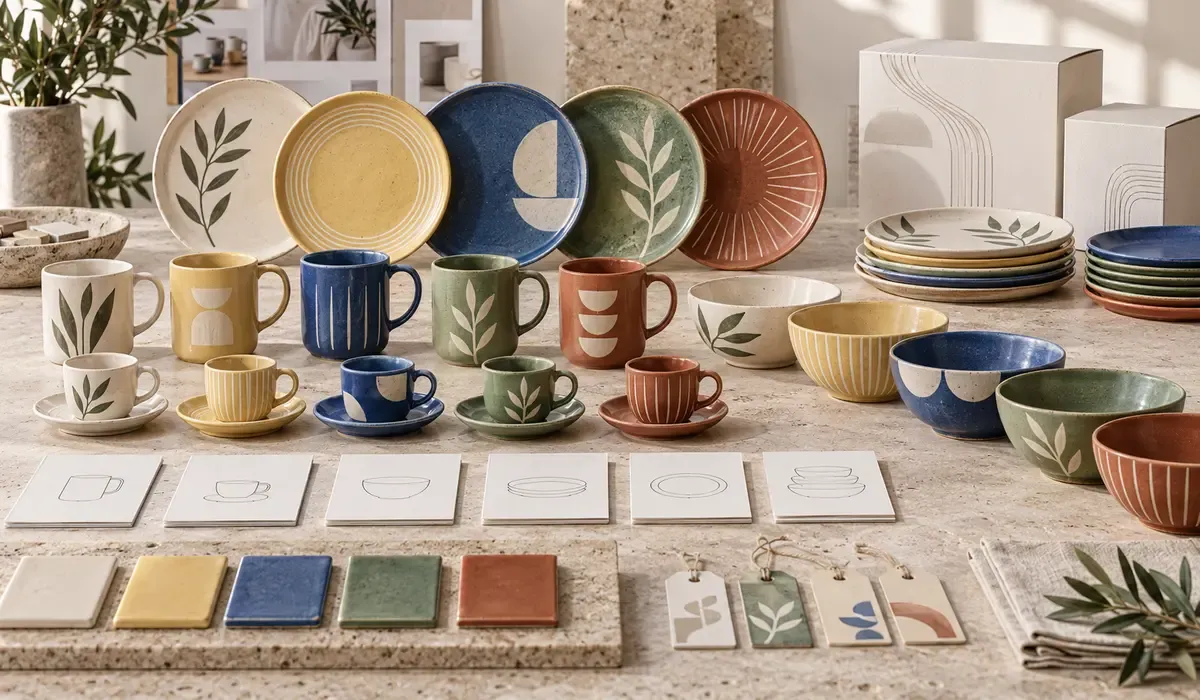
A collection needs more than one motif repeated on every item. Mugs, cups, bowls, plates and serving pieces have different proportions and decoration areas. Ask how the supplier will adapt artwork scale, placement, colour balance and finish while keeping the products recognisably connected.
Does the Production Route Fit the Design?
Material, shape, glaze, decoration and quantity affect one another. A reliable supplier should explain when an existing shape is practical, when a new mould is justified, and which surface process can reproduce the intended look. This prevents a visually attractive brief from becoming difficult to sample or repeat.
How Does Willcan Turn a Brief Into a Practical Plan?
1. Define the Collection Architecture
We start with the core design idea, intended products, material direction, quantities by SKU and packaging needs. The opening range can then be prioritised instead of developing every possible item at once.
2. Develop and Approve Physical Samples
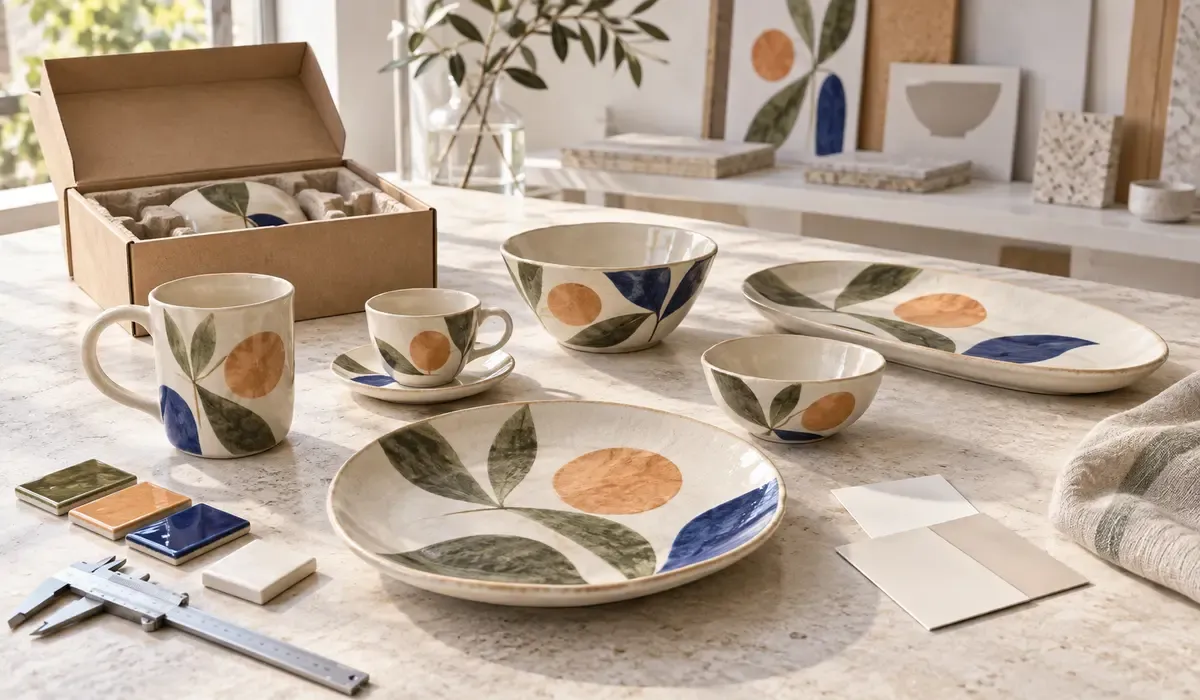
Samples are reviewed for dimensions, glaze tone, decoration placement, handle comfort, set compatibility and packaging fit. The approved sample and confirmed specifications become the reference for production.
3. Coordinate Packaging With the Product
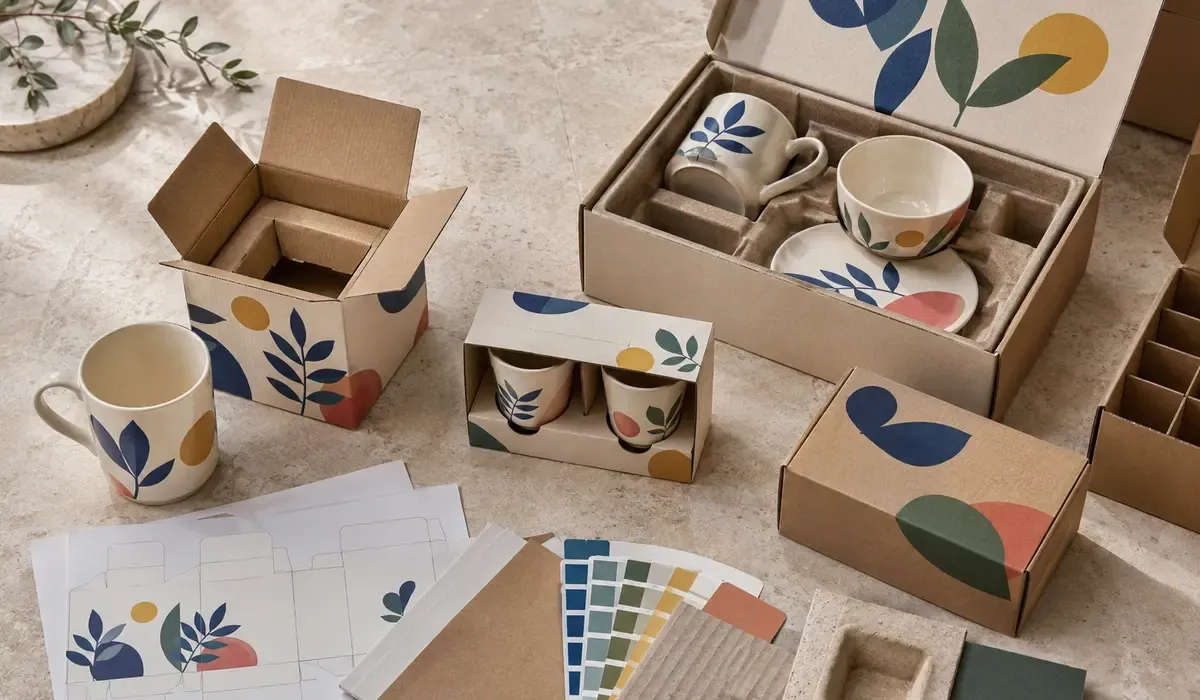
Gift boxes, colour boxes, inserts and shipping cartons should be developed around the actual ceramic dimensions. Early packaging checks help control presentation, product movement and unnecessary empty space.
4. Plan the Order by SKU
Mixed-SKU and flexible-MOQ options depend on compatible shapes, bodies, glazes, decoration methods and packing formats. We review the proposed mix and identify which items can share a production basis and which require separate minimums.
How Is Quality Consistency Defined?
Quality should be agreed through measurable specifications and approved samples, not general promises. Useful checkpoints include size and capacity, glaze colour range, decoration position, rim and handle condition, set fit and packaging standard. These details give both sides a clear reference when production is inspected.
What Information Should Buyers Send?
- Target product types and quantities by SKU
- Artwork, colour references and preferred ceramic material
- Packaging format, target market and required product information
- Target launch timing and any non-negotiable quality points
For design planning, read Original Ceramic Collection Development. For order structure, see Mixed-SKU Ceramic Orders: What Is Practical?
Frequently Asked Questions
- Can Willcan Develop Custom Shapes?
Yes, when a distinctive form is important. Tooling, testing, timing and MOQ should be assessed before mould development begins.
- Can Several SKUs Be Combined in One Order?
Often, but feasibility depends on shared production conditions and packaging. Each proposed SKU mix should be reviewed before confirmation.
- Can Willcan Support Custom Packaging?
Yes. Packaging can be coordinated with the product dimensions and presentation goal, subject to the selected structure, print method and quantity.
Plan Your Ceramic Collection
Send Willcan your product brief, target SKUs, quantities, design direction and packaging needs. We will help organise the project into a clear development and production plan.