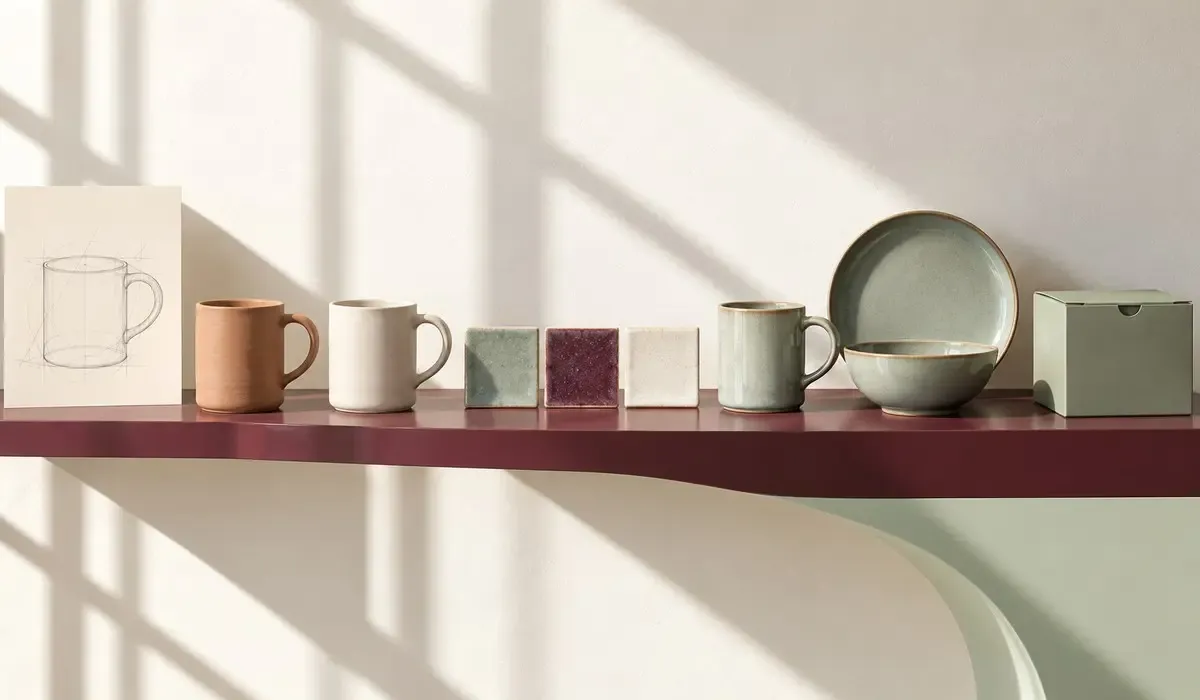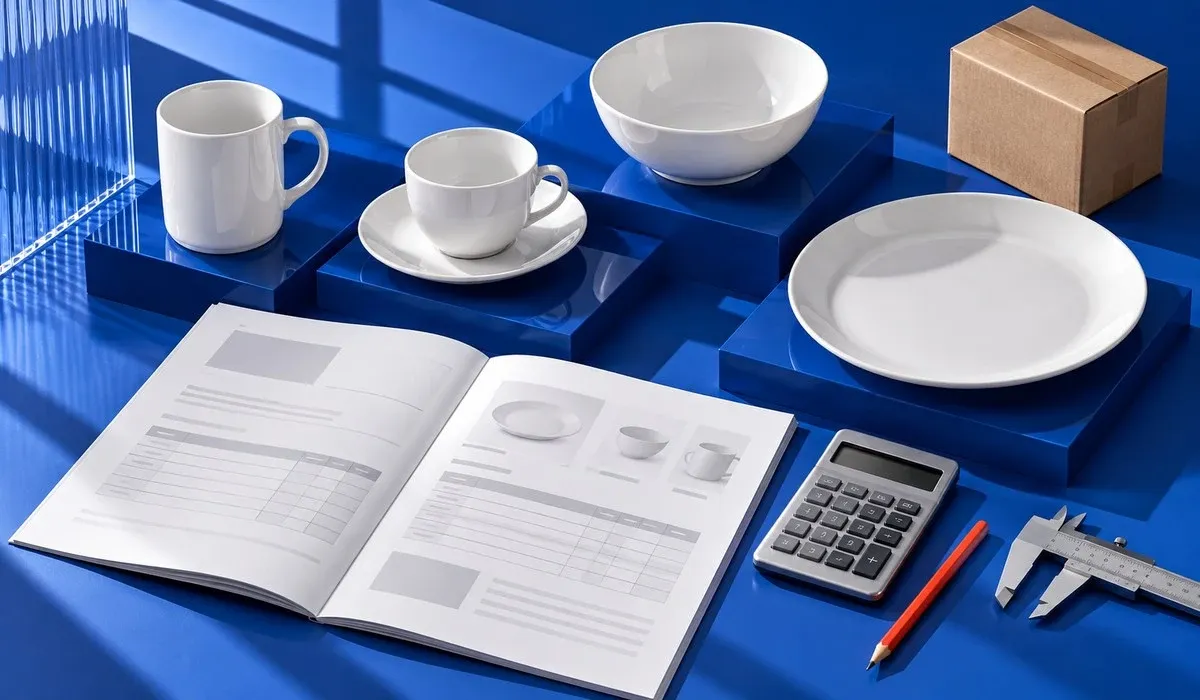
Sep 10, 2026Company Updates
Original Ceramic Collection Development
See how Willcan develops an original ceramic concept into coordinated mugs, cups, bowls and plates through design, sampling and production planning.
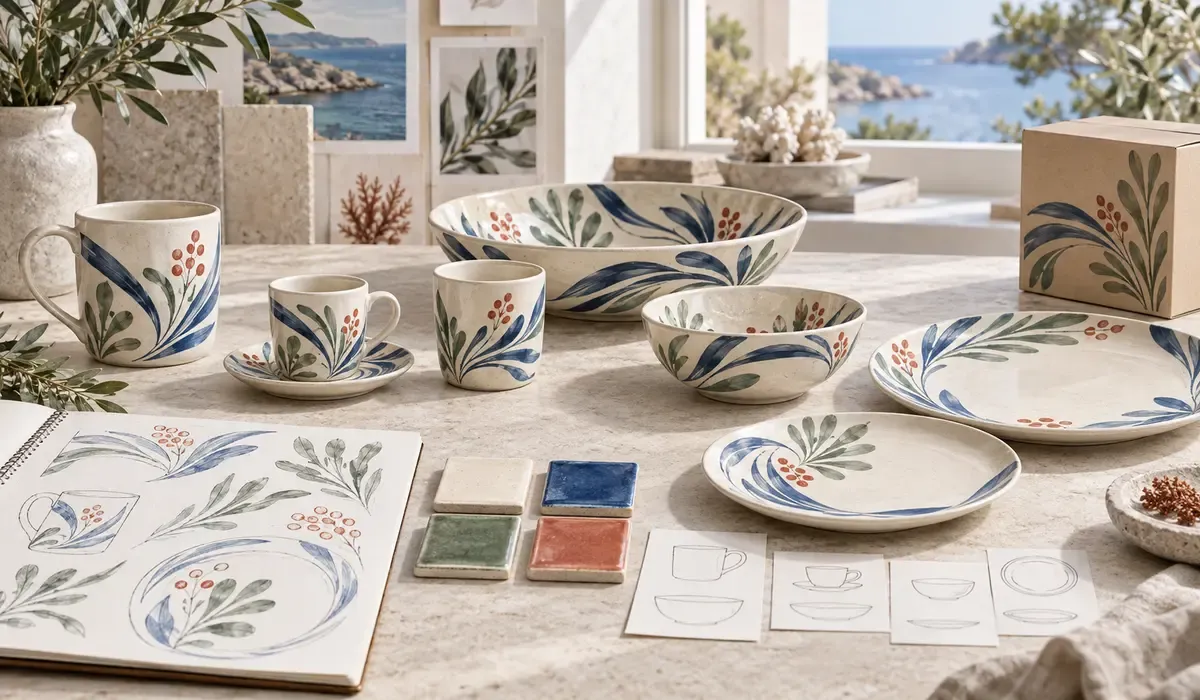
Original ceramic collection development turns one clear design idea into coordinated products that share a recognisable visual language and can be manufactured reliably. It is more than placing the same motif on every shape. A mug, coffee cup, bowl and plate each need suitable artwork scale, placement, proportion and finish.
At Hunan Willcan, we develop collections around a defined design anchor, then review how it works across the intended product mix. Physical samples are used to refine both the visual result and practical details before bulk production.
What Should an Original Ceramic Collection Start With?
Define One Strong Design Anchor
The anchor may be a motif, shape detail, glaze effect or colour story. It should be distinctive enough to give the range an identity, but flexible enough to work on products with different proportions and uses.
Choose the Opening Product Mix
The first assortment should reflect how the collection will be used. Mugs and coffee cups may lead a beverage range, while bowls, plates and serving pieces create a broader tableware story. Not every possible SKU needs to launch at once.
How Is One Idea Adapted Across Different Shapes?
Artwork must respond to the ceramic form. A large plate can carry an open composition, while a mug may need a smaller repeat or a feature placed away from the handle. Cups, saucers and bowls should look related without becoming identical. Colour proportions and blank space help keep the series balanced.
How Does Willcan Develop the Collection?
1. Build the Visual Direction
We organise the core motif, palette, surface finish and product references into one clear direction before preparing the range.
2. Match Design With Ceramic Processes
Underglaze printing, decals, embossing, matte finishes and reactive glazes create different visual effects and production conditions. The chosen process must support the artwork, target quantity and expected consistency.
3. Prepare and Review Samples
Sampling checks dimensions, glaze tone, decoration placement, handle comfort, stacking, set compatibility and packaging fit. Changes are made before the approved sample becomes the reference for production.
4. Extend the Design System
Once the core products are approved, coordinated colours, additional shapes or gift sets can be added without losing the original identity. This creates a collection that can grow over time.
How Do Originality and Production Feasibility Work Together?
Originality does not always require a new mould. Existing shapes can feel new through strong artwork, colour placement, texture or finish. A custom shape may add distinction, but it also introduces tooling, testing and quantity requirements. The right choice depends on which feature matters most to the collection. Read Flexible Ceramic Development for Growing Brands for practical planning options.
Frequently Asked Questions
- Can Willcan Develop a Collection From One Element?
Yes. One motif, colour direction, glaze effect or shape detail can become the starting point for a coordinated range.
- Can the Same Design Use Different Ceramic Materials?
Possibly, but porcelain, New Bone China and stoneware can change the colour and surface result. Each material should be sampled before approval.
- What Information Should Buyers Provide?
Share the design reference or starting element, target products, material preference, quantity by SKU, packaging needs, target market and launch timing.
Develop an Original Ceramic Collection
Send Willcan your design direction or starting idea. We will help organise it into a coherent ceramic range and recommend a practical development route.