Sep 3, 2026Company Updates
Mixed-SKU Ceramic Orders: What Is Practical?
Different ceramic designs and product types can often be combined, but only when shapes, materials, glazes, decoration and packaging are production-compatible.
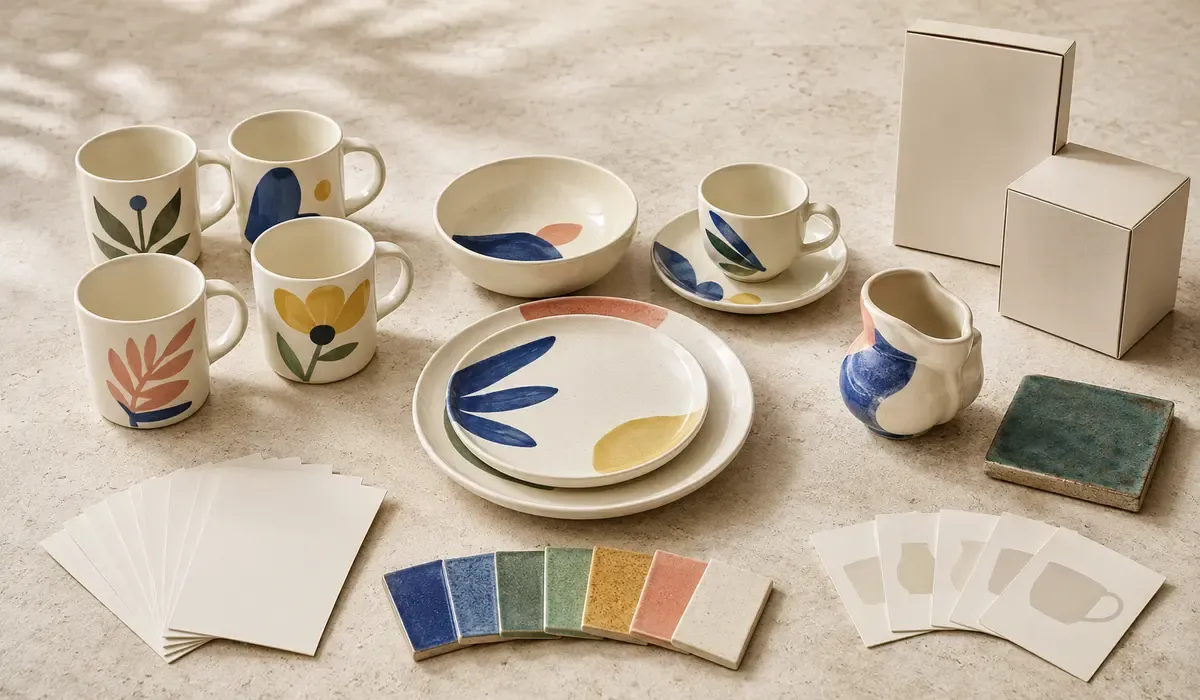
Different ceramic SKUs can often be combined in one order - but only when the production plan is compatible. The most practical mixed orders share a proven shape, ceramic body, base glaze, decoration method or packaging structure. Mixing unrelated shapes, custom glazes, new moulds and different gift boxes may still be possible, but each element must be reviewed separately and may require its own MOQ.
At Hunan Willcan, we first map the order by SKU and process. This gives buyers a clear answer before sampling and supports a more controlled collection plan.
What Is a Mixed-SKU Ceramic Order?
A mixed-SKU ceramic order contains several saleable items in one purchase or shipment. It may combine different artworks on one mug, several colours of one shape, or coordinated mugs, bowls and plates. Shipping together does not automatically mean the SKUs share one production minimum; compatibility is what matters.
Which Mixed-SKU Combinations Are Most Practical?
One Shape with Several Artworks
This is usually the simplest route. The SKUs share the body, mould, glaze and firing schedule, while the artwork changes. Each decal or print design may still have its own printing minimum.
Several Shapes with the Same Material and Finish
Mugs, bowls and plates can often be planned together when they use compatible ceramic bodies, glazes, decoration and timing. Each shape must still reach a workable production quantity.
Custom Glazes, New Moulds or Different Techniques
These elements need separate preparation. A custom glaze requires a stable batch, a new shape requires mould development, and hand painting follows a different workflow from decal decoration. They cannot be pooled only because they ship together.
Different Packaging for Every SKU
Colour boxes, gift boxes and display packaging each have print and assembly minimums. Standardising box sizes or structures, then changing the graphics, often improves flexibility.
How Can Buyers Build a Workable Mixed-SKU Order?
Group SKUs by Production Base
Place items with the same shape, body, glaze and decoration method in one group. Treat special shapes, finishes and packaging as separate groups.
Keep the First Order Focused
Start with fewer shapes and use artwork or colour to create variety. More shapes can be added after demand is clearer, helping control inventory without losing collection identity.
Confirm MOQ at SKU Level Before Sampling
A useful quotation should show the quantity and production basis for every SKU. This prevents a large total order from hiding one impractical item.
Does Every SKU Need Its Own MOQ?
Not always. Compatible designs may share a production base, but each artwork, glaze, shape or package can still have a practical minimum. Willcan confirms mixed-SKU ceramic orders by SKU and process rather than offering one unrestricted mixed-order number.
Frequently Asked Questions
Can Mugs, Bowls and Plates Be Mixed in One Shipment?
Yes. Shipment consolidation is possible, while production MOQ is assessed separately for each compatible group.
Can Different Colours Be Mixed?
Often yes, especially with established colours. Custom glazes require enough volume to prepare and control each colour consistently.
How Can Buyers Reduce Inventory Risk?
Use proven shapes, limit special processes, create variation through coordinated artwork and phase additional SKUs after the first order.
Send Us Your SKU Plan
Start by exploring our ceramic collections, then share your preferred products, artwork, quantity per SKU and packaging requirements. Willcan can identify which items can be grouped, which need separate minimums and how to build a realistic mixed-SKU order.