Sep 7, 2026
Custom Ceramic Glaze Development and Color Matching
How fired samples, ceramic bodies and production controls turn a colour reference into a workable glaze standard.
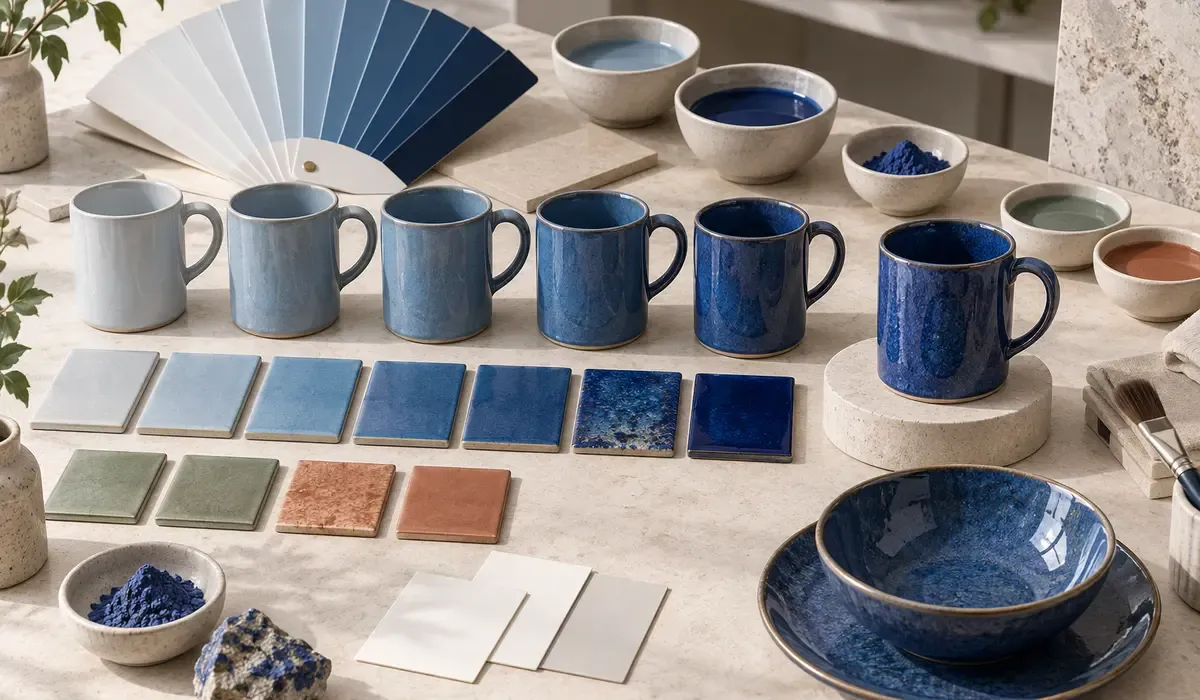
Custom ceramic glaze development begins with a colour target, not a promise to copy a screen or colour card exactly. A Pantone reference gives direction, but the fired result also depends on the ceramic body, glaze formula, application and kiln conditions. Buyers should approve a fired sample and a realistic production range before bulk manufacture.
At Hunan Willcan, we review the material, shape, finish, colour target and quantity before testing. Stoneware, porcelain and New Bone China react differently, so the actual product body should be used whenever possible.
Can Ceramic Glaze Match a Pantone Colour Exactly?
Not as an absolute digital value. Ceramic glaze changes during firing, so we use Pantone as a target and compare physical fired samples under neutral daylight. A physical colour chip or product sample is more reliable than a screen image.
What Changes the Final Fired Glaze Colour?
Ceramic Body and Base Colour
Ivory New Bone China, white porcelain and warmer stoneware can make the same glaze appear different and also affect its depth or translucency.
Application and Firing
Glaze thickness, spraying or dipping, firing temperature, kiln atmosphere and product position can shift colour or surface. Small test tiles are useful, but the glaze must also be tested on the real shape.
Finish and Decoration
Glossy, matte and reactive surfaces reflect light differently. Decoration can also change how colour is perceived across a collection.
How Does Willcan Develop a Custom Ceramic Glaze?
1. Define the Target
We confirm the colour reference, ceramic material, finish, product shape, quantity and acceptable variation before formulation begins.
2. Prepare Fired Tests
Several formulas or application levels may be tested. The closest result is then applied to the actual product for shape and surface review.
3. Approve a Physical Standard
The approved sample becomes the reference for production. For sensitive or reactive glazes, we agree on an acceptable range rather than one photograph or one isolated piece.
4. Control Bulk Production
Production teams compare glaze preparation, application, firing and finished pieces against the approved standard. Out-of-range pieces are separated during quality review.
Why Does Reactive Glaze Show More Variation?
Reactive glazes develop natural movement, speckling and tonal change during firing. The variation should stay within an approved visual range, based on several samples rather than one piece.
What Affects Custom Glaze MOQ?
A custom colour needs enough glaze material for stable preparation and production. Very small quantities can create waste and a high set-up cost. Using an established glaze close to the target, limiting the number of custom colours or applying one compatible glaze across several shapes can improve feasibility. The final MOQ is reviewed by material, colour, shape and process; see How Ceramic MOQ Really Works for the wider production logic.
Frequently Asked Questions
- Can One Glaze Be Used on Different Ceramic Materials?
Sometimes, but the result may change. Each material and firing route must be tested before the same glaze is approved across a collection.
- Will Repeat Orders Match the First Production?
We use the approved physical sample and recorded process as the standard. Minor fired variation can occur, while significant differences should fall outside the agreed range.
- What Should Buyers Send for Colour Matching?
Send a physical colour reference or Pantone code, product shape, ceramic material, preferred finish, quantity by SKU and any acceptable colour tolerance.
Develop Your Custom Ceramic Glaze
Share your colour reference and product plan with Willcan. We will recommend the most practical route from glaze testing and fired samples to an approved bulk-production standard.