Aug 31, 2026Company Updates
From Market Trend to Retail-Ready Collection: How We Develop Ceramics That Sell
See how Hunan Willcan turns market insights into retail-ready ceramic collections by balancing design, MOQ, cost, packaging and reliable production.
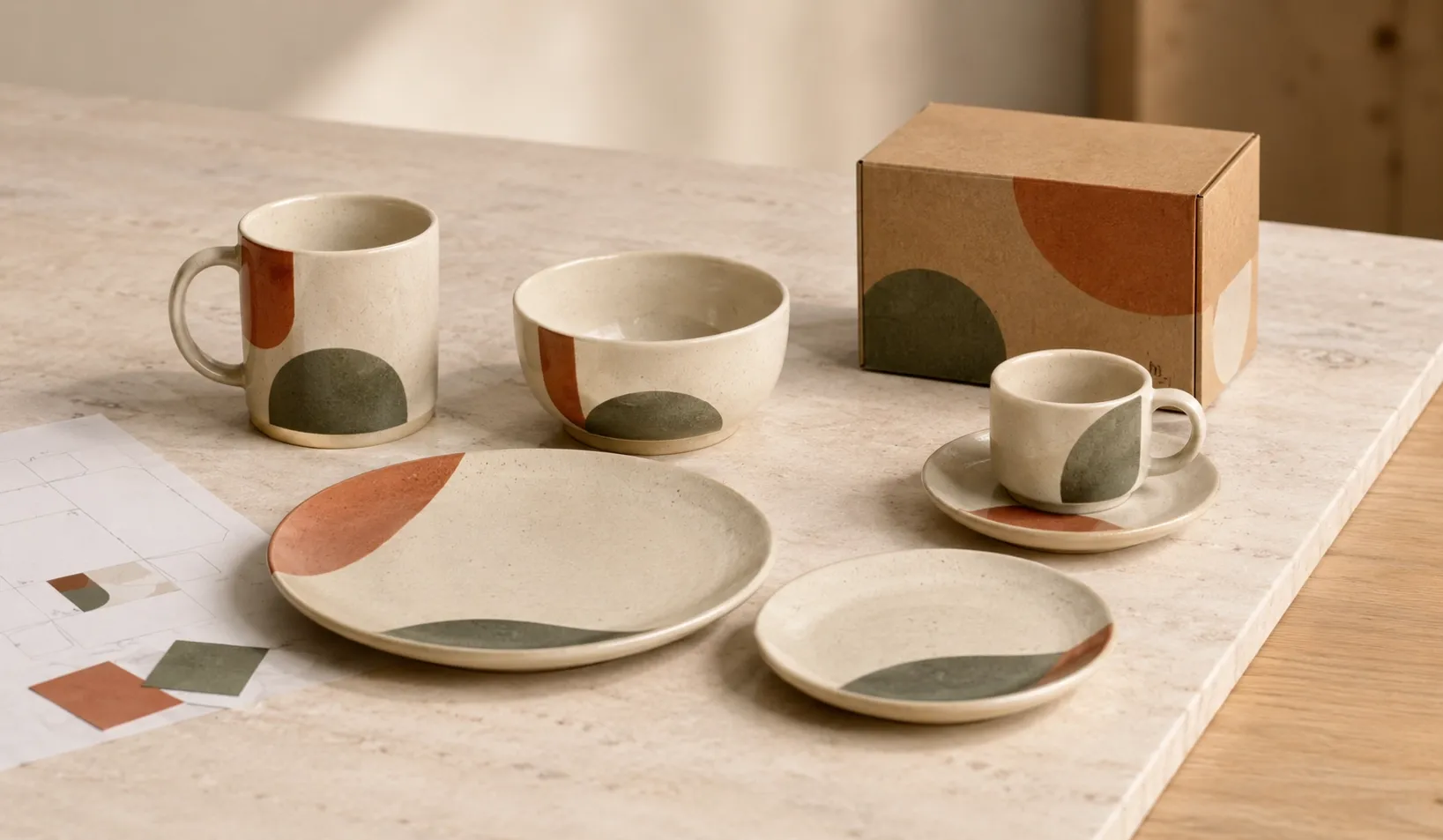
For a retail buyer, an attractive ceramic sample is only the beginning. The product must also suit the target consumer, fit the intended sales channel, reach the right price level and perform reliably in production and delivery.
At Hunan Willcan, ceramic product development starts with these commercial realities. Our goal is not simply to create a good-looking mug or plate, but to turn a relevant market direction into a coherent, manufacturable and retail-ready ceramic collection.
1. Starting with the Market, Not Just the Product
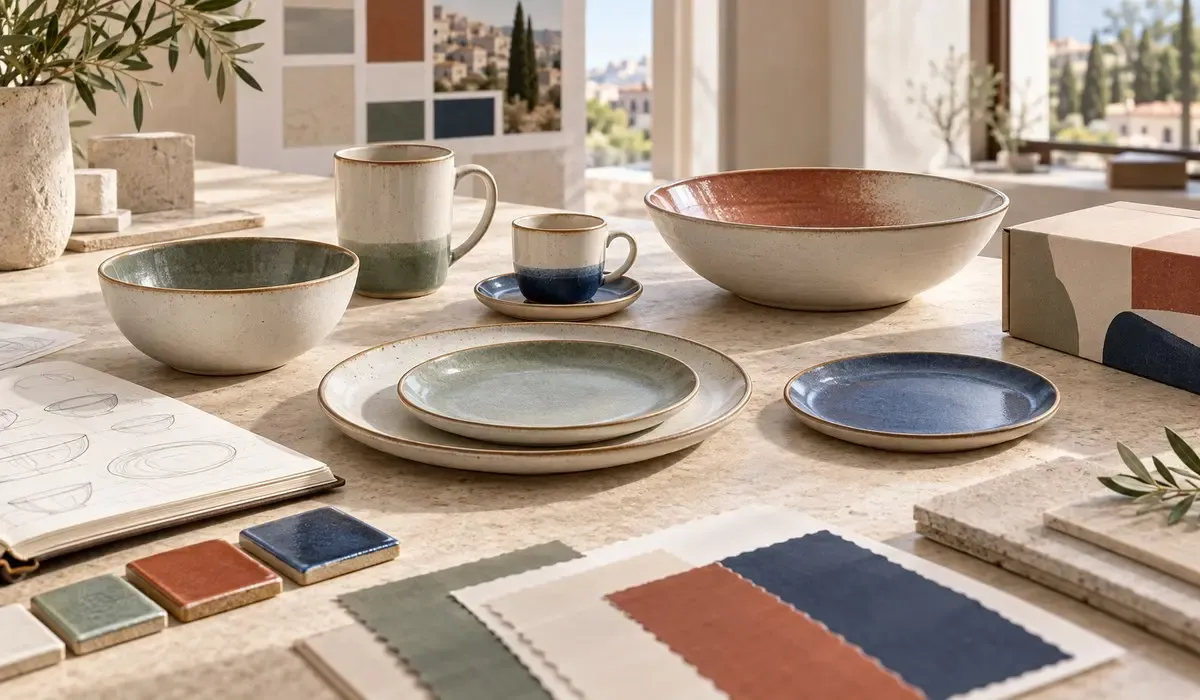
The same ceramic design will not work equally well in every market or retail environment. A collection for a European lifestyle store may require a different color palette, product mix and packaging format from one developed for a supermarket promotion, seasonal gift program or online brand.
Before development begins, we look at the key commercial questions:
- Who is the target consumer?
- Where will the products be sold?
- What is the intended retail price and positioning?
- Is the collection designed for everyday use, gifting or a seasonal launch?
- Which shapes and product combinations make sense for that channel?
This buyer-focused starting point helps us filter trends instead of simply following them. The result is a product direction with stronger relevance and clearer sales potential.
2. Turning One Design into a Complete Ceramic Collection
A strong collection needs consistency, but it should not feel repetitive. We normally begin with a clear design anchor—such as a shape, motif, glaze effect or color story—and then determine how it can work across multiple ceramic categories.
A breakfast concept, for example, may grow from one mug into a coordinated range of coffee cups and saucers, bowls, side plates and serving pieces. A gifting concept may be adapted into two-piece or four-piece ceramic gift sets with dedicated packaging.
During this process, we consider:
- How the design should be scaled or repositioned for each shape
- Which colors should remain consistent across the range
- Which items are commercially useful rather than added only for visual completeness
- How products can be combined into practical retail sets
This creates a recognizable collection that gives buyers more flexibility in assortment planning, while allowing every item to remain strong enough to sell on its own.
3. Balancing Design with Production Reality
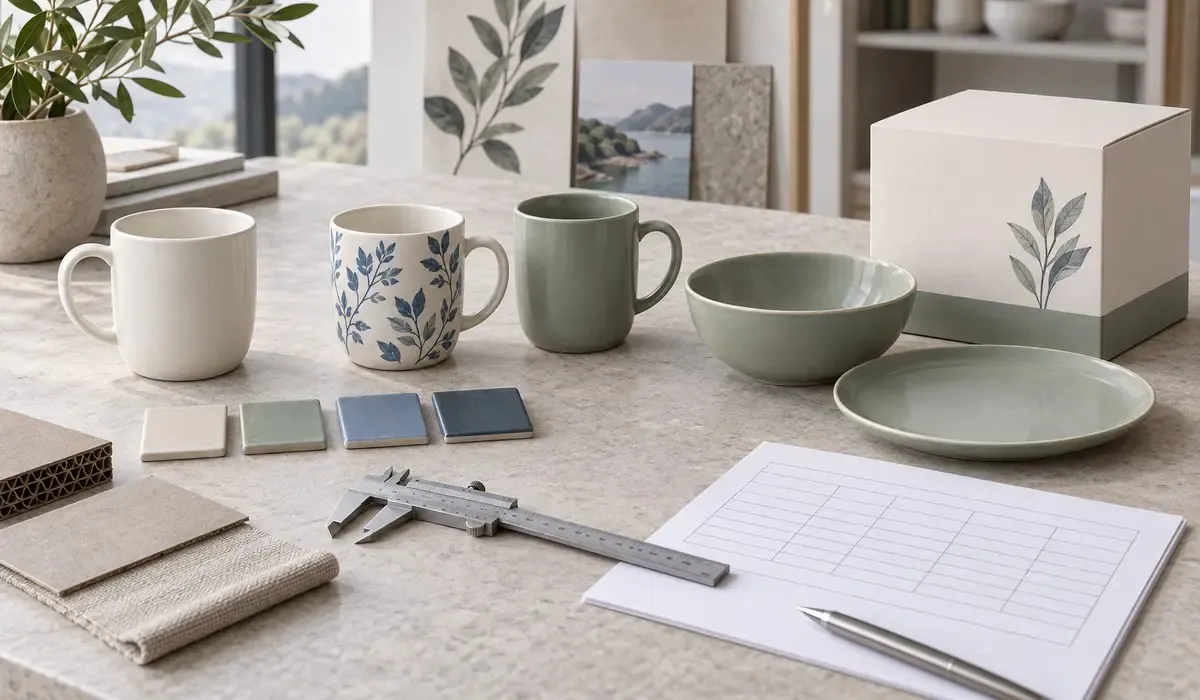
Good custom ceramic tableware must work in the factory as well as on the presentation board. Shape, glaze, decoration and color choices all affect MOQ, tooling, cost, lead time and production stability.
At the development stage, we assess factors such as:
- Ceramic body and glaze selection
- Decoration method and firing requirements
- Mold and tooling needs for custom shapes
- Product capacity, weight and dimensional consistency
- MOQ for shapes, colors and decal designs
- Testing and compliance requirements for the target market
If a concept is visually appealing but difficult to control in mass production, we refine it before the buyer invests too heavily. This may involve adjusting the number of colors, simplifying a decoration, selecting a more suitable production technique or using a proven shape as the base for an original surface design.
The purpose is not to weaken the idea. It is to preserve the design value while making the collection commercially achievable.
4. Developing Packaging Alongside the Product
Packaging is part of the product—not an afterthought. Overseas buyers must consider shelf presentation, product protection, carton efficiency, transport cost and the final unboxing experience at the same time.
For each collection, we evaluate:
- The most suitable format, such as a compact color box, sleeve card, display box or multi-piece gift box
- How securely the ceramics are held during handling and shipment
- Whether the box size creates unnecessary transport volume
- How the collection will appear on shelf or in an online listing
- Printing, labeling, barcode and private-label requirements
An oversized gift box may look impressive but increase landed cost. A large open window may improve visibility but reduce protection. Our role is to find the right balance between presentation, safety and budget, so the packaging supports the product’s sales value without adding avoidable cost or risk.
5. Refining Samples for Stable Production
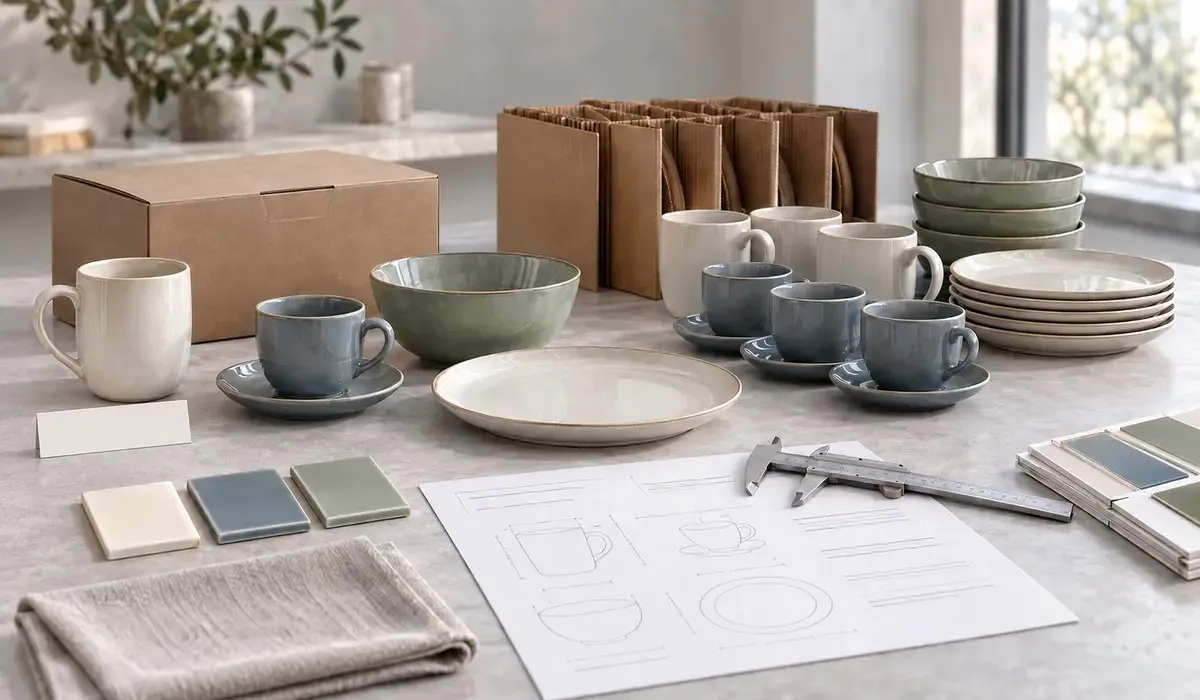
Sampling is where the collection becomes real. We review not only the overall appearance, but also the details that affect customer experience and repeatability: dimensions, capacity, glaze tone, decoration position, handle comfort, stacking, set compatibility and packaging fit.
Once the sample is confirmed, the approved specifications become the reference for production and quality control. Clear communication between design, sampling, production and inspection helps reduce deviations and prevents late-stage surprises.
For buyers, this means a smoother path from approval to shipment—and greater confidence that the delivered collection will remain consistent with the agreed direction.
6. Supporting Both OEM and ODM Ceramic Projects
Different buyers need different levels of development support. Some arrive with finished artwork and require accurate OEM execution. Others bring a trend direction, target customer or reference mood and need a complete ODM ceramic tableware proposal.
Hunan Willcan supports both approaches, including:
- Adapting buyer artwork to suitable ceramic shapes and processes
- Developing original patterns, color stories and coordinated product ranges
- Creating custom mugs, cups, bowls, plates and ceramic gift sets
- Planning private-label packaging and retail combinations
- Expanding successful items into future related collections
As a ceramic tableware supplier and product development partner, we aim to make the process practical, transparent and responsive from the first idea through mass production.
More Than a Single Product
The most valuable ceramic programs are rarely built around one isolated item. They are built around a clear market position, a flexible collection structure and reliable long-term execution.
By connecting market insight, original design, production feasibility, custom packaging and stable quality control, Hunan Willcan helps buyers develop ceramic collections that are ready not only for presentation, but for real retail.
Planning a new ceramic collection? Share your target market, sales channel, product categories and price positioning with us. Our team can help turn your direction into a practical, distinctive and retail-ready range.